DVC Partnership Helps Combat Student Hunger

By Rubicon Author December 20, 2020

A fruitful partnership between Rubicon, Diablo Valley College (DVC), and the Foundation for California Community Colleges (FCCC) is breaking down the stigma around student food insecurity and removing financial barriers to higher education for community college students. 

According to Special Projects Manager Kimi Barnes, far too many students go hungry and drop out of school for financial reasons because they are not aware that they qualify for - and deserve - help on their academic journeys. Through the Fresh Success program at DVC, Rubicon has been able to connect these students to CalFresh benefits and food pantries; provide money for textbooks, school supplies and remote learning expenses; and offer coaching and referrals to campus and community resources like housing assistance and mental health services.

Rubicon’s partnership with DVC and the FCCC is a response to a widespread problem affecting almost half of the student population at

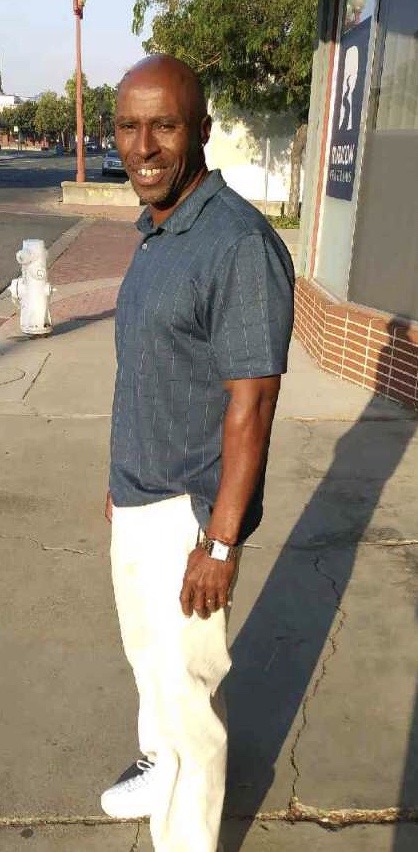
LaReese Stitts
LaReese Stitts is the Impact Coach at DVC

community and public colleges across the nation. As school costs continue to climb and the economic gap widens, students are forced to pour all of their resources into tuition, textbooks and other expenses, sometimes at the expense of food and other basic needs. A study published in 2019 by Temple University’s Hope Center for College, Community and Justice found that 45 percent of students at 100 institutions had experienced food insecurity while at school. At the same time, according to Barnes, many of those students are “far along in their self-determination.” In other words, they are used to doing things on their own and sometimes uncomfortable asking others for support.

But LaReese Stitts, the Fresh Success Impact Coach at DVC, is an expert at breaking down barriers and stigmas around student hunger by reframing what it means to get help. For example, she might tell a student, “This is short term and it will allow you to get to the place where you can support others.” 

Stitts also acts as a resource and an advisor for Rubicon Comprehensive Program participants who enroll at DVC, forming a bridge between the foundation classes and a college education. 

To qualify for the Fresh Success Program, students must be Contra Costa residents who are eligible for CalFresh benefits and enrolled in at least one career education, ESL, or basic skills class at DVC. Once they are part of the program, they begin their coaching sessions with Stitts, who directs them to on- and off-campus resources to support them. Many students are unaware of services and benefits available to them, Stitts said, recalling one participant who did not know he qualified for a Promise Grant to pay his tuition costs and had therefore been struggling mightily to make ends meet. Other students struggling with food insecurity had no idea they qualified for CalFresh benefits and had access to a food pantry on the DVC campus. By simply guiding students toward existing avenues of support, Stitts is able to profoundly impact their experience of college for the better. 

The Fresh Success program has been nimble during the pandemic, adjusting its services to meet current needs. For example, what used to be a transportation stipend is now monthly financial support for WiFi and other remote learning necessities. While students everywhere are facing challenges during the pandemic, Stitts is proud of the Fresh Success program in its first year of existence at DVC. “The program’s coaching model has assisted students in highlighting their own self resilience and strengths during this difficult time,” she said. 
Read More

How to Vote in the 2020 Election

By Rubicon Author October 26, 2020

How to Vote in the 2020 Election

Important Dates:

  • October 30, 2020 – November 2, 2020: Early Voting, sites and times vary.
  • November 3, 2020: Election Day, Polls are open 7:00am-8:00pm.

What If I Missed the Voter Registration Deadline?

If you missed the October 19, 2020 deadline to register to vote, you may still be eligible to register and vote through Same Day Voter Registration (i.e. Conditional Voter Registration).  Participants can request a one-on-one consultation with Rubicon attorneys for any questions.

More information about Same Day Voter Registration can be found here.

How Do I Vote in Contra Costa County?

Vote-By-Mail

  • Follow the instructions to mark your ballot in blue or black pen, place your ballot in the postage-paid return envelope, and sign and seal the envelope.
  • Mail your ballot with USPS. Your ballot must be postmarked on or before Election Day and received within 17 days of the election. We recommend that you mail your ballot ASAP to avoid delays in being counted.

Official Ballot Box Drop-Off

  • Follow the instructions to mark your ballot in blue or black pen, place your ballot in the postage-paid return envelope, and sign and seal the envelope.
  • Confirm an official ballot box location near you, here
  • Drop your ballot off on or before election day. Ballot boxes will be available 24/7 from October 5th - November 3rd at 8:00pm.

In-Person Voting

  • Regional Early Voting Sites are open Friday, October 30th (11am-7pm); Saturday, October 31st (9am-5pm); and Monday, November 1st (11am-7pm). Information about early voting sites can be found here.
  • If you plan to vote on election day, find your designated polling place here.  More information about voting on election day can be found here.

How Do I Vote in Alameda County?

Vote-By-Mail

  • Follow the instructions to mark your ballot in blue or black pen, place your ballot in the postage-paid return envelope, and sign and seal the envelope.
  • Mail your ballot with USPS. Your ballot must be postmarked on or before Election Day and received within 17 days of the election. We recommend that you mail your ballot ASAP to avoid delays in being counted.

Official Ballot Box Drop-Off

  • Follow the instructions to mark your ballot in blue or black pen, place your ballot in the postage-paid return envelope, and sign and seal the envelope.
  • Confirm an official ballot box location near you, here.
  • Drop your ballot off on or before election day. Ballot boxes will be available 24/7 from October 5th-November 3rd at 8:00pm.

Alameda County Ballot Drop Stop

  • There is a drive-through ballot drop-off option available throughout the county. Information about locations and times of the Drop Stop can be found here.

In-Person Voting

  • Accessible Voting Locations are open Saturday, October 31st (9am-5pm); Sunday, November 1st (9am-5pm); Monday, November 2nd (9am-5pm); and Tuesday, November 3rd (7am-8pm).  Information about Accessible Voting Locations can be found here and here.

How Do I Make Sure My Vote Was Counted?

Once you have voted, we highly recommend that you track the status of your ballot through Where’s My Ballot, here

Once you’ve signed up you will receive notices via email, text, or voice message from the county elections office letting you know the status of your ballot, including:

  • When a complete ballot has been received;
  • Whether the complete ballot has been accepted, or, if it is not accepted, the reasons the ballot was not accepted and instructions for how a voter can fix or “cure” the ballot with a deadline to return the ballot to the county;
  • When your ballot has been counted.

If you are notified that your ballot was not accepted or that there was an issue with your signature, and you need help resolving the issue, please contact a Rubicon attorney.  

To see where Rubicon stands on some of the important issues affecting California this November, including state and local propositions, see our Voter Guide here.

Read More

Rubicon Participants Demand Prison Reform

By Rubicon Author August 31, 2020

Many at Rubicon don’t have to stretch their imaginations very far to picture the horrific conditions in California prisons in the face of the COVID pandemic and, now, the raging wildfires—they’ve been there. For Participant Advisory Board (PAB) and staff member Gail Thomas, hearing about the death and suffering of inmates is like a punch to the gut. “That could have been me. That could have been my family members. Those are my family members,” she says.   

Gail and Alex Thomas
Gail and Alex Thomas 

Gail spent seven years in Chowchilla and another state prison, where she worked as an infirmary porter, and her husband, Alex Thomas, also a Rubicon participant, was a janitor in the infirmary during his time in San Quentin. From these collective experiences, and from talking to loved ones who are currently incarcerated, she knows one thing for sure: “There is no way they can do social distancing.”  

Gail’s voice hardens as she recalls packed cafeterias, cramped, understaffed medical facilities, and terminally ill prisoners dying alone.  

This personal connection is one reason Gail, Alex, and other members of the PAB have joined the movement to demand the release of elderly and medically vulnerable prisoners specifically and, more generally, to depopulate California prisons. Through writing letters, speaking out in public forums, and getting their personal stories out there, they are putting the pressure on Governor Gavin Newsom and other state policymakers to rethink the prison-industrial status quo during this unprecedented public health disaster.   

The push to depopulate the state’s overcrowded prisons has become an urgent outcry during the pandemic; the virus has turned prisons into hot zones, killing incarcerated people and staff alike at rates that are outstripping the rest of the country. According to a New York Times database, San Quentin has become one of the country's largest virus clusters with more than 2,200 infections and 26 deaths, and other facilities are not far behind. In June, after touring San Quentin and observing unsafe conditions that were allowing the virus to rage through the population, University of California health experts advised the prison to cut its population by 50%. Other overcrowded state prisons should follow suit, the experts said.  

The total number of people incarcerated in California prisons is about 100,000. The state has released or plans to release approximately 11,500 inmates by the end of the month–mostly “non-violent offenders with less than a year to serve,” according to the California Department of Corrections and Rehabilitation.    

Rubicon Impact Coach Roosevelt Terry sees the state’s mishandling of the pandemic in the prison system as a gross human rights violation. Roosevelt’s son, who is serving 17 years in California State Prison-Solano, tells his father about daily protests in the yard demanding the release of sick and vulnerable inmates. “The constant fear of contracting the virus is eminent, and the idea of surviving in extended isolation lockdowns to mitigate the spreading virus is haunting [my son],” Roosevelt says.   

Roosevelt hopes corporations and other entities will step up to the plate to help with the greatest problem facing inmates who are released early: housing. As of now, it is up to relatives, probation officers, and community organizers, who are scrambling to solve the housing crisis for early-release inmates, some of whom pose a public health risk because they have been paroled while still contagious, according to the LA Times. 

There are no easy solutions, but for Gail and Roosevelt, depopulation is an imperative first step. The PAB is currently working to ensure they are poised to impact legislation. As she continues to hear horror stories from loved ones who are incarcerated, Gail is feeling the urgency of the moment. “I don’t just want to do something—I have to do something,” she says.    

Read More

Let’s Stop the Looming Tidal Wave of COVID Evictions

By Rubicon Author June 30, 2020

As Bay Area counties put their plans to reopen on hold amidst a spike in Coronavirus cases, we are all doing our best to keep our friends and family healthy. Yet even as we monitor infection rates and remain vigilant about our own safety, we cannot turn our attention away from the devastating economic impact of the pandemic on our most vulnerable people and communities. And we must exhort our politicians to make decisions that protect the wellbeing of those disproportionately affected by COVID-19.  

At Rubicon, as we continue to deliver our services remotely, we have seen the strength and resilience of our participants and communities. At the same time, we have heard firsthand about jobs lost, hours cut, and anxiety over where the next rent payment will come from. With so many East Bay residents financially impacted by the pandemic, we can expect a tidal wave of evictions as soon as temporary protections recede. We need long-term solutions that keep families home—not short-term approaches that kick the can down the road.

AB 1436, a new state bill, will keep community members in their homes and bolster California’s economic recovery by keeping more of us safe and healthy.

Click here to support AB 1436, which makes sure families who rent will not be evicted because they are behind on their rent due to COVID-19.

Without action, we will be condemning over a million Californians to impending displacement or homelessness. AB 1436, the COVID Eviction Prevention and Housing Stability Act of 2020, helps our most impacted renters transition out of emergency and into recovery, while giving landlords a path to recuperate that lost income.

Take 3 minutes NOW to email, tweet at, and call key Senators to urge them to vote YES ON AB 1436!

Unfortunately, not all state legislators feel the urgency to act. They have to know that our current eviction laws were not written with a global pandemic in mind, yet they are waiting this one out. That’s unacceptable!

We all want a speedy recovery, but without a plan for the millions of California renters who are vulnerable to eviction, that recovery will not come as quickly as we all hope.

Contact your Senator NOW to urge them to vote YES on AB 1436!

We can do this - take action now!


Jane Fischberg, President & CEO

Carole Dorham-Kelly, Chief Program Officer

Kelly Dunn, General Counsel & Director of Legal Services

Read More

We Demand Justice

By Rubicon Author June 2, 2020

Rubicon Stands Alongside our Partners in Demanding Justice


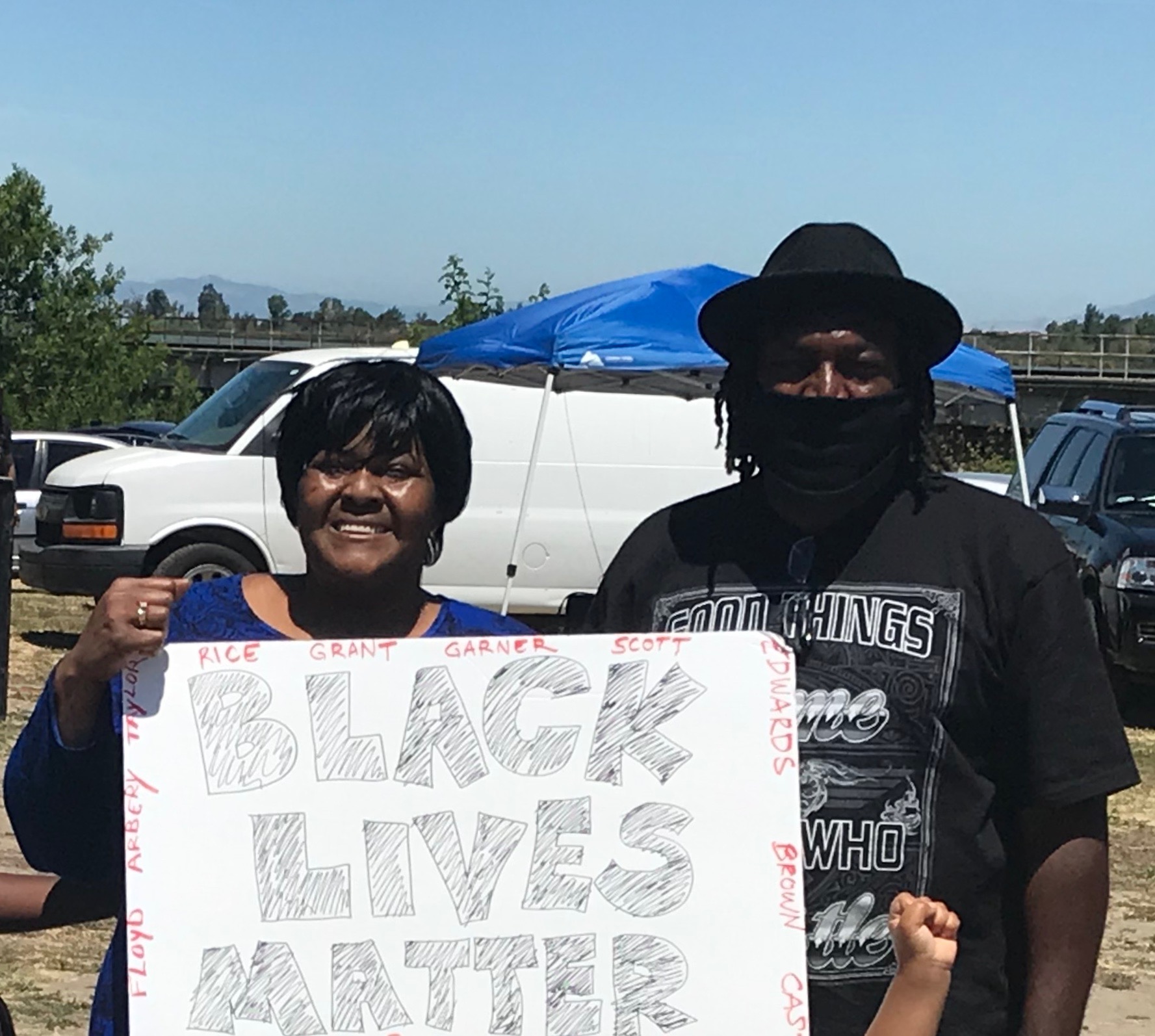
Rubicon stands with our allies at the local, regional, and national levels in demanding an end to unjust and racially motivated actions by law enforcement officers. For hundreds of years, state sponsored entities and private citizens have been executing Black men, women, and children. In May 2020 alone, Ahmaud Arbery, Breonna Taylor, George Floyd and Tony McDade -- as well as others whose killings did not make the national news -- joined that awful legacy. State sanctioned violence includes not only the actions of police, but also national guard, jails and prisons, and other public institutions charged with public protection.

We demand justice for those whose lives have been cut short. They could have been a Rubicon participant, employee, or a member of our Board of Directors. Our African American participants carry daily the trauma of being African American in a nation where their very identity makes them vulnerable to being the target of violence. We talk with participants in our workshops about structural causes of poverty – that we live in a nation founded on white supremacy and systems of inequality.

COVID’s disparate and traumatic impact on Black people and other people of color is a current manifestation of the structural racism that tolerates state sanctioned violence against people of color. We are unwilling to perpetuate the national disregard for African American lives and senseless killings of our citizens, the very people upon whose backs and free labor this country was built. We demand the same right to life, liberty, and the pursuit of happiness for African Americans that White people continue to enjoy. These should not be privileges for some; these are rights for all.

Just as we do not condone this nation’s historical looting -- the First Nation’s people and land, African American bodies for labor, or African American ideas without credit -- we do not condone violence as a means to any end. And, we amplify Dr. King’s forewarning that “A riot is the language of the unheard.”

Rubicon's unwavering commitment to justice and equity fuels our responsibility to use our collective voice. We will galvanize our communities to engage in the electoral process to directly impact local, state, and national policies and priorities. We urge elected officials to hold accountable law enforcement officers and criminal justice systems that engage in unlawful and unjust practices.

Join us in these actions:

  1. Sign cards to the families of Ahmaud Arbery, Breonna Taylor, George Floyd, and Tony McDade. You can send a message of support here, until this Friday, June 5th at 12 noon.
  2. Consistent with our value of humility, we urge you to support actions by our power building partners.
  • RYSE -- immediate action to protect funding for services to children and youth in Richmond. Contact the Richmond City Council today to advocate that they preserve funding for Kids First (Vote NO on Agenda Item J-3).
  • Safe Return Project -- formerly incarcerated residents working to strengthen the relationship of people coming home from incarceration with the broader community. Join Safe Return Project Thursday, June 4th, 2 pm PST for #blackhurtmatters a Call to Action convened by those impacted by criminalization, violence, and Faith Leaders.

We are grateful to you, our community, for joining us in advocating for changes to build a society that lives up to its stated value of justice. May we all have safety, health, and wellness during this especially painful time.

Read More